
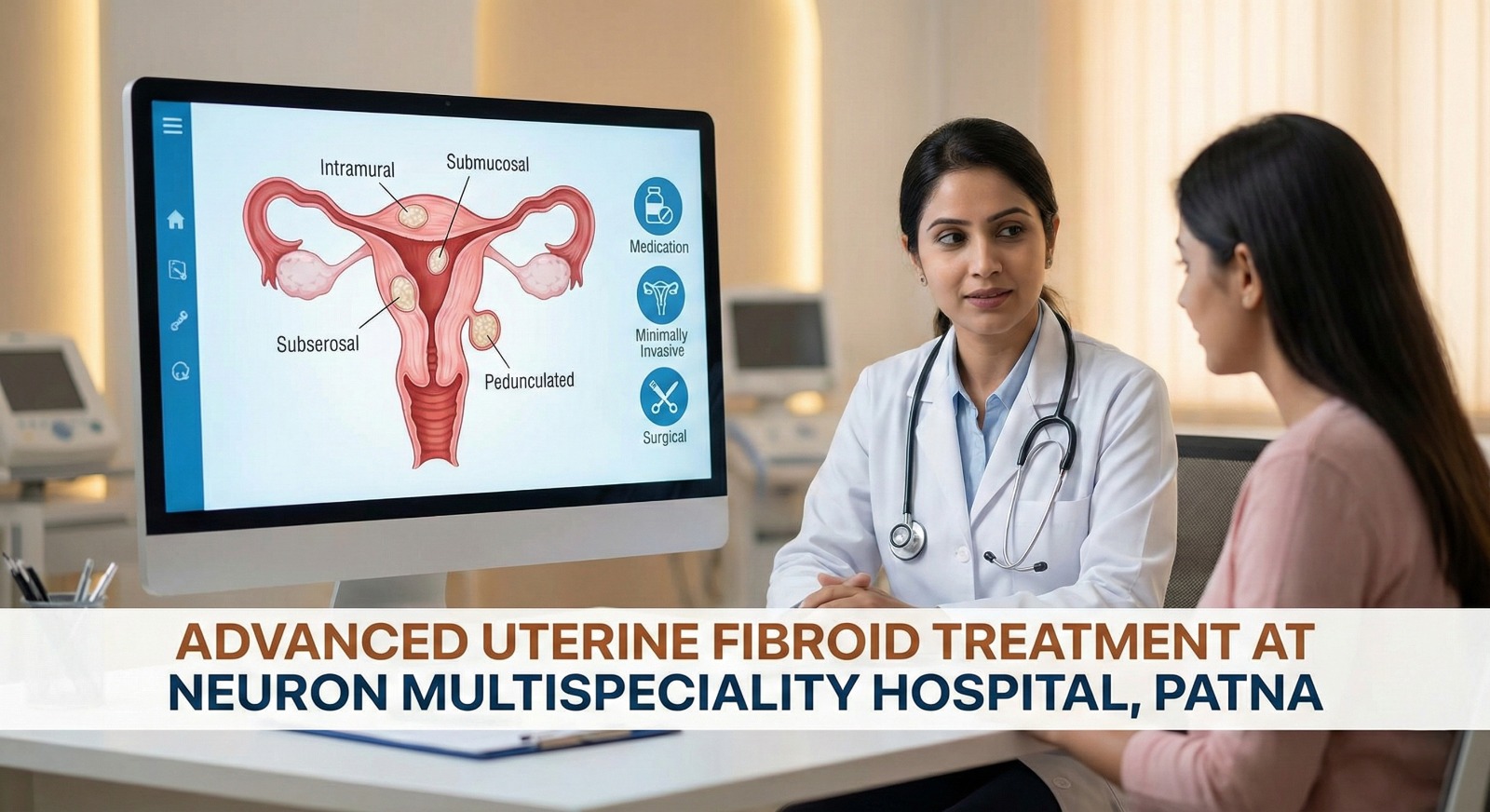
Uterine fibroids are one of the most common non-cancerous growths found in women of reproductive age. Although many fibroids cause no symptoms, some can lead to heavy menstrual bleeding, pelvic pain, infertility, and pregnancy complications.
Under the expert care of Dr Kirti Chowdhary, patients receive personalized and evidence-based treatment plans tailored to their age, symptoms, and future pregnancy goals.
What Are Uterine Fibroids?
Uterine fibroids (also called leiomyomas) are benign tumors that develop in the muscular wall of the uterus. They vary in size, number, and location.
Types of Fibroids
- Intramural Fibroids – Develop within the uterine wall
- Submucosal Fibroids – Grow into the uterine cavity
- Subserosal Fibroids – Extend outside the uterus
- Pedunculated Fibroids – Attached by a thin stalk
Common Symptoms of Uterine Fibroids
Not all fibroids cause symptoms. However, women may experience:
- Heavy or prolonged menstrual bleeding
- Severe menstrual cramps
- Pelvic pressure or pain
- Frequent urination
- Pain during intercourse
- Infertility or recurrent miscarriages
- Anemia due to excessive bleeding
If you notice these symptoms, early consultation is essential for proper diagnosis and treatment.
How Are Uterine Fibroids Diagnosed?
Diagnosis typically includes:
- Pelvic examination
- Ultrasound scan
- MRI (in complex cases)
- Hysteroscopy (for submucosal fibroids)
Accurate diagnosis helps determine whether medical or surgical treatment is required.
Treatment Options for Uterine Fibroids
The right treatment depends on:
- Size and number of fibroids
- Severity of symptoms
- Patient’s age
- Desire for future pregnancy
Medicines for Uterine Fibroids
Medications are usually recommended for mild to moderate symptoms.
Common Medical Treatments
- Hormonal therapy (Birth control pills, Progesterone therapy)
- GnRH agonists (Shrink fibroids temporarily)
- Tranexamic acid (Reduces heavy bleeding)
- Iron supplements (Treat anemia)
Benefits of Medical Treatment
- Non-surgical approach
- Controls bleeding
- Temporary shrinkage of fibroids
However, medicines do not permanently remove fibroids. Symptoms may return after stopping treatment.
2. Minimally Invasive Procedures (Latest Techniques)
Modern gynecology offers advanced, uterus-preserving treatments.
Uterine Artery Embolization (UAE)
A non-surgical procedure that blocks blood supply to fibroids, causing them to shrink.
Hysteroscopic Myomectomy
Removal of fibroids through the vagina using a hysteroscope — ideal for submucosal fibroids.
Laparoscopic Myomectomy
A keyhole surgery technique where small incisions are made to remove fibroids while preserving the uterus.
Advantages:
- Smaller incisions
- Less pain
- Faster recovery
- Minimal blood loss
These techniques are especially beneficial for women who want to conceive in the future.
3. Surgical Treatment for Uterine Fibroids
When fibroids are very large or symptoms are severe, surgery may be required.
Myomectomy
Removal of fibroids while preserving the uterus. Recommended for women planning pregnancy.
Hysterectomy
Complete removal of the uterus. It is a permanent solution and is usually advised when:
- Fibroids are very large
- Multiple fibroids cause severe symptoms
- No future pregnancy is desired
Which Treatment Is Best for You?
There is no “one-size-fits-all” treatment for uterine fibroids. The best approach depends on:
- Symptom severity
- Fibroid size and location
- Age and reproductive plans
- Overall health condition
With proper evaluation, Dr Kirti Chowdhary creates customized treatment plans ensuring safe, effective, and patient-centered care.
When Should You See a Doctor?
Consult a gynecologist immediately if you experience:
- Extremely heavy periods
- Bleeding between periods
- Severe pelvic pain
- Difficulty conceiving
- Sudden enlargement of the abdomen
Early treatment prevents complications and improves quality of life.
Why Choose Expert Care?
Choosing the right specialist ensures:
- Accurate diagnosis
- Advanced minimally invasive options
- Safe surgical techniques
- Better fertility preservation
- Faster recovery
Under expert supervision, patients receive compassionate and modern gynecological care using the latest technology and evidence-based treatment methods.
Final Words
Uterine fibroids are common, but they are highly treatable. From medications to advanced laparoscopic surgery, modern medicine offers multiple safe and effective options.
If you are struggling with heavy bleeding, pelvic pain, or fertility concerns, do not ignore the symptoms. Early consultation can make a significant difference in your health and future well-being.
📞 Book your consultation today with Dr Kirti Chowdhary for expert evaluation and personalized fibroid treatment.